
History

- Written by: Carol Polcovar
- Category: History
Black Resistance (British America)
Part II in a Series
So to continue our series on Black Resistance to Slavery in America, let’s begin after Columbus discovered the western reaches of India around 1492. Okay, of course, we all know Columbus did not discover the western reaches of India although that was what he wanted to do and that is what he thought he did. What he sought was a short water route to India and the Far East; his theory was if he circumnavigated the globe he would find that route. Of course, he and other Europeans had no idea that they would find another hemisphere and when they found it, they still did not know that they had found another hemisphere. Columbus was not alone in this search. Many European nations were paying explorers to find a way to sail to the Far East and thus break the Venetian monopoly on such a route. European nations needed to go to China and India to purchase goods they could sell back in Europe where there was a big demand for these products, and they wanted to travel there without using the alternate overland route that brought them into the welcoming arms of highway men and assassins or the route controlled by the Princes of Venice.

- Written by: Curtis W. Long
- Category: History
Few nays were heard, those hundred years
Since Abe Lincoln was killed.
No self-[flagellation, no soggy tears,
When the Great Lost Cause was willed.
The Rebel losers, in their grief,
Having lost their valuable property,
Sought about like a common thief
To replace it with absurdity.
- Written by: Carol Polcovar
- Category: History
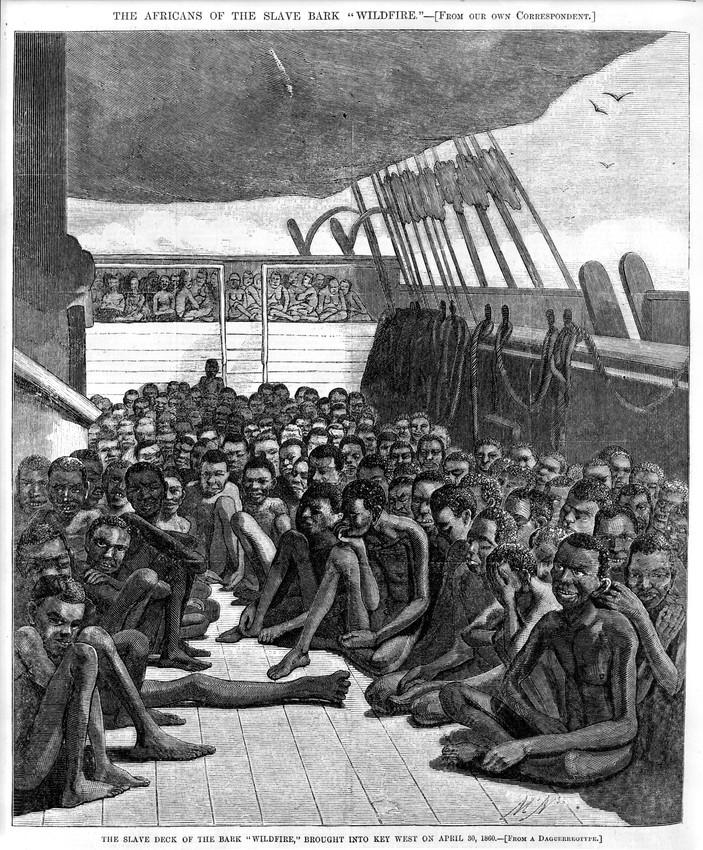
BLACK SLAVERY AND RESISTANCE
I taught history for twenty-five years. My college major was American History, but, of course, like others at the time, I was taught the “happy slave” narrative. The other “historic” tale about Reconstruction was one about the “corrupt, ignorant and not quite human, “Negroes” who with the help of white “Carpetbaggers” became representatives in state and federal government during Reconstruction. I am almost sure that one came with drawings of unruly black men in suits arguing in a legislature. Being a kid, I never thought much about what I was being taught. My high school education was decades ago and I do remember what I was taught.
Those “lessons, ” were augmented by much of our entertainment at the time. Movies showed us the funny in-charge but subservient Black maid who seemed to appear in almost every white family film and that really slow handyman. I also very much enjoyed the elegant Disney made for children tale “Song of the South” featuring the oh so happy and loving Uncle Remus.
- Written by: Curtis W. Long
- Category: History
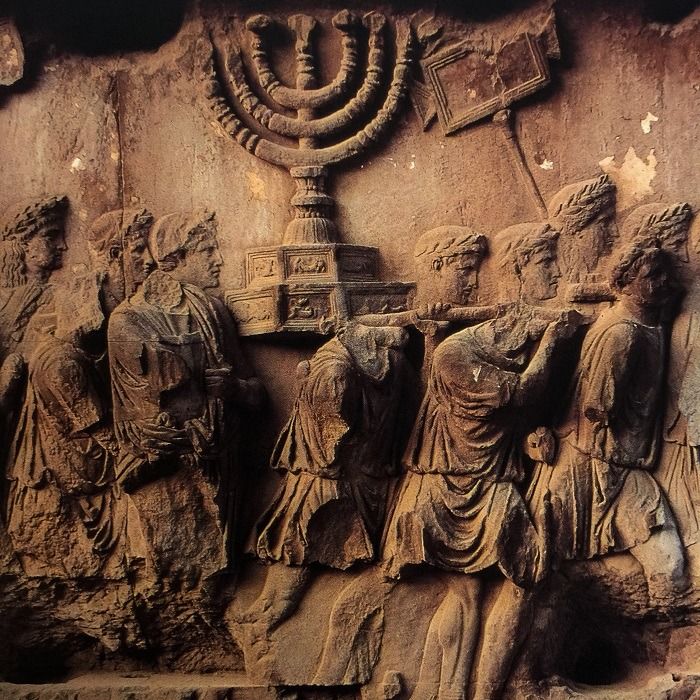
Written at the beginning of the millennium. Twenty years later, with the rise of vitriol and violence still in pursuit of a people as old as the Pyramids, a reprint is timely.
- Written by: Curtis W. Long
- Category: History
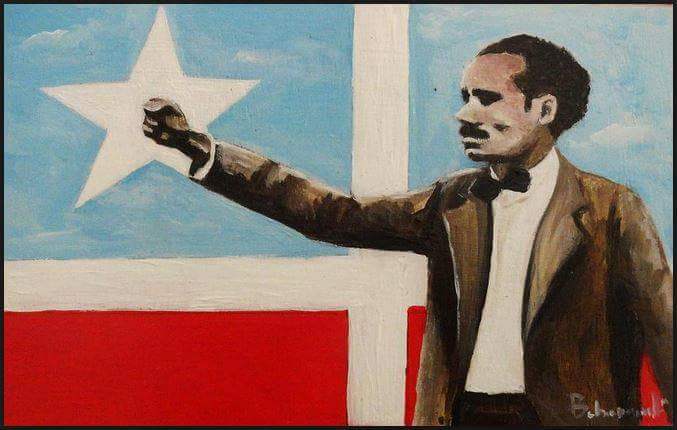
Disrespect and mistreatment of Puerto Rico and Puerto Ricans spans centuries. It starts with the island being handed over as a prize of war after Spain’s defeat in the Spanish-American War of 1898. For some time, Puerto Ricans were merely residents of a U.S. possession. Later, they were made partial citizens without a vote in national elections. Ultimately, the island was designated as a Commonwealth or Free, Associated State.
Read more: VIRULENT LETTER PROMPTS CRY FOR PUERTO RICO INDEPENDENCE
- Written by: Curtis W. Long
- Category: History
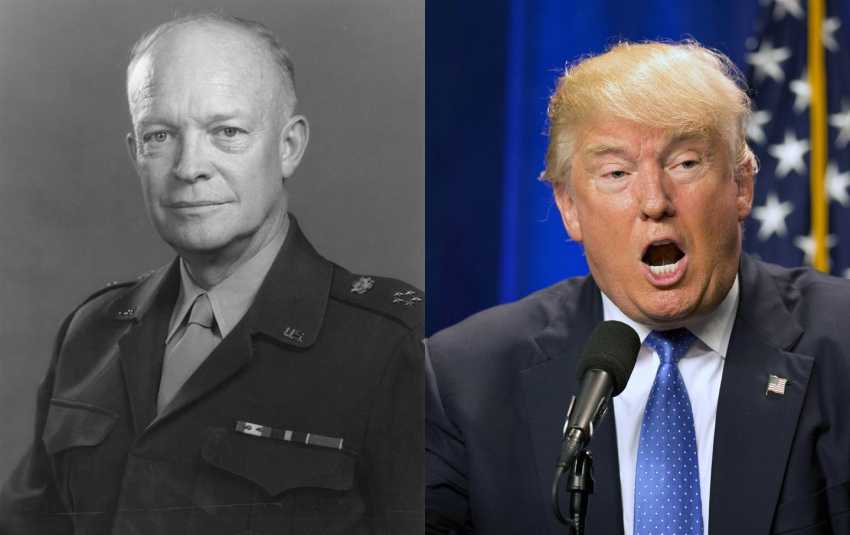
President Donald J. Trump’s frenzied, double-edged sword of spreading fear and currying favor by dramatically announcing, delaying, and then re-instituting Immigration and Customs (ICE) raids upon those he considers to be in the country illegally, reminds me of a similar operation in which I was personally involved many decades ago.:
- Written by: Curtis W. Long
- Category: History
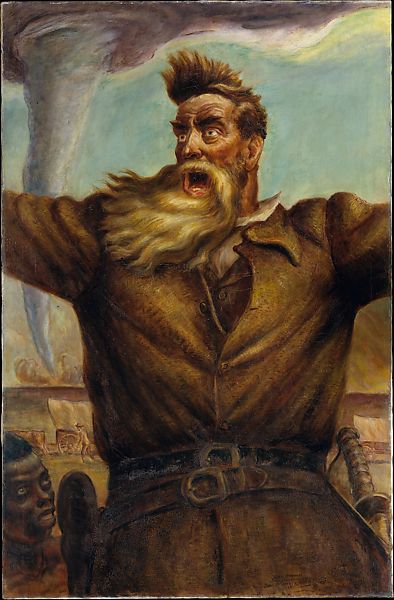
William Lloyd Garrison headed the Abolitionist Movement. Both he and Frederick Douglass used flaming oratory alone in furtherance of their cause. These impassioned men could only sit and pat their feet as the religious zealot John Brown set about attempting singlehandedly to abolish slavery.

- Written by: Curtis W. Long
- Category: History
On D-Day in Philly, in Forty-Four,
I, at fifteen, sat on the floor –
All night long, as it turned out to be –
It was finally D-Day, a big deal for me.
Mi Abuelita (Laura Maria Rosa y Mendez) was born in 1896, two years before Yanqui troops invaded. She and all of my father’s side of the family are Jibaros that come from a small town in the mountains of Puerto Rico called San Sebastian. They were comparatively middle class, at least by pre-conquest standards, as there were many teachers and government employees among them. Laura on the other hand is rumored to have been the “black sheep”, as at some point she was cast out to fend for herself. It is said, she did so by selling ron caña, essentially “moonshine”, made from sugar cane. Pepe, my father was her "lookout" amd one day he fell from the tree he had been perched in and lost his two front teeth. She was briefly married to Esteban Lopez Acevedo at the age of 17. She and had children from different men, Narciso Costa Valdivieso sired Lucy and Carmen. My Grandfather was Jose Antonio Faris a dentist. This explains how my father was given his maternal name and passed it on to me. I of course knew nothing of this as a kid, but when I stated to piece it together, the idea of my sweet, little Abuelita being a bad-ass, always made me smile.

Mommy, Laurie and me
When I was in the first grade, my mother became very ill with Rheumatic fever. This caused my sister and me to be sent to stay with our grandparents. Laurie went to live with Mama (Valentina Lugo, my mother’s mother) and me with Laura Rosa, Abuelita. The illness effects lasted almost a year and caused me to be ‘left back’ because of missing so much school. This period marked my sister and I in the same way, as each of us stayed closer to the side of the family we lived with ever after. Although each of us went to visit the aunts, uncles and cousins from both sides, the natural affinity imprinted by having lived with each side, became lifelong.
