
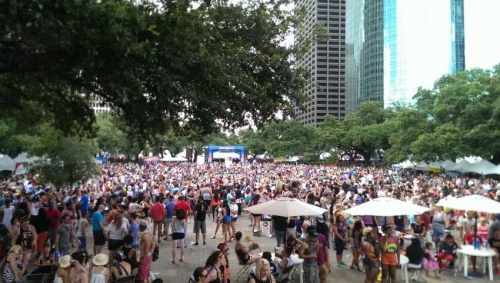
 I attended the Houston "Gay Pride Day" festival for the first time yesterday. I was there with a purpose. I am a Deputy Voter Registrar and I was attempting to register new voters.
It was hot and crowded. I circled City Hall, clipboard in hand looking for likely targets. I approached people taking a rest on the various porch railings, steps and other out of traffic places to sit. I also found the lines of people waiting for service at the food and beverage venues to be fertile ground.
What stood out above all else was that a representative demographic of the city skewed to the younger side was in attendance. While there were obviously gay people in the crowd there were a lot of everybody else there as well and they were all having a very good time. This was a community event and the community turned out in droves.
When we seek for connection, we restore the world to wholeness. Our seemingly separate lives become meaningful as we discover how truly necessary we are to each other.
Margaret Wheatley
A while back, I became acquainted with a book by Sebastion Junger called War. The essential theme of his book examines the deep connection that a platoon of soldiers stationed at a remote outpost in Afghanistan feel for each other. Under persistant attack, the soldiers come to depend on each other and learn to recognize the essential part that each plays in their ongoing struggle to survive. The bond of belonging becomes so strong that when the soldiers are removed from their band of brothers, they lust to return.
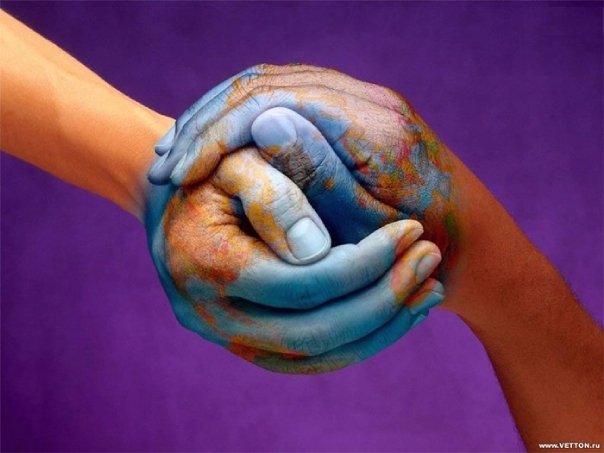
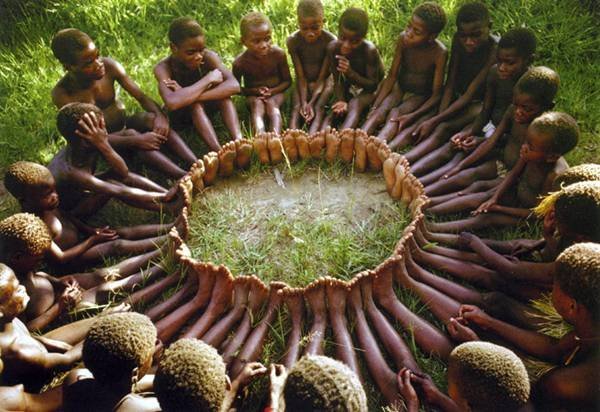
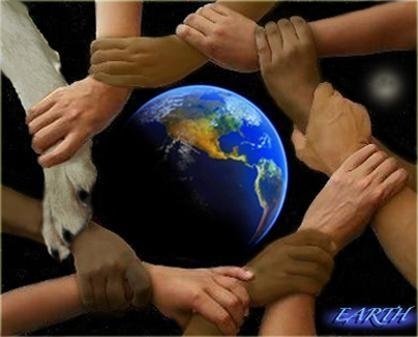
An article on the Huffington Post uses Junger's premise as a jumping off point to examine some of the connections that unemployed persons have developed to help them survive the recent economic downturn. Among the more interesting to me, are those that have become involved with or initiated volunteer efforts to help others. These efforts do not address the serious financial problems that many of these people face but rather the emotional need for meaningfulness and purpose in their lives. They need connection.
I observed this phenomenon at work a few years ago in the aftermath of Hurricane Ike. People came together to work for the common good without question or hesitation. We did not pause to examine skin color or economic status or sexual preference in choosing who to help. For a few weeks the differences that separate us slipped away into the shadows of our common need.
Human beings are adept at finding connection on a small scale. We connect to family, co-workers, classmates, neighbors and the congregations of our churches with little effort. In times of shared hardship we see the circles of connection expand and even cross boundaries that sometimes seem insurmountable during the good times.
But when faced with the big issues we retreat into separation. We have no problem with offering a hand to the unemployed neighbor across the street while objecting to an extension of unemployment benefits that would help a million others just like him.
The theme of separation vs. connection to god and to each other is a common theme among authors in the realm of New Age Spirituality. Christianity challenges us to love our neighbor as ourselves as in the parable of the Good Samaritan. We rise to the occasion to help a person in need but retreat when faced with helping a people in need. As we wrestle with controversial global issues like climate change, energy, fresh water and famine, we will need to embrace connection over separation, co-operation over competition on a grand scale.
Is the necessary sense of connection even possible on a large scale?
Is our sense of connection limited by our tribal past to a local boundary?
Can we expand our thinking to recognize conceptual threats to our collective well-being?
What we do for ourselves dies with us. What we do for others and the world remains and is immortal.
Albert Pine
My purpose is to provoke a conversation. I hope all who read this will take a moment to comment below or take a stab at answering one of the questions posed above.